By Katelyn McSweeney, LSCW — Social Worker, Healthy Beginnings
Racial and ethnic minority populations throughout the United States experience higher rates of death and disease across a wide range of health conditions when compared with their white counterparts.
Hispanic men and women are twice as likely to be diagnosed with and die from liver and stomach cancer as non-Hispanic white men and women. Sixty percent more Black adults are diagnosed with diabetes than non-Hispanic white adults. Black women are about 60% more likely to have high blood pressure than non-Hispanic white women.
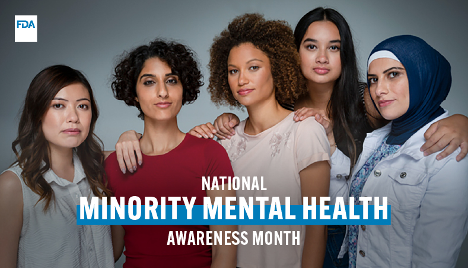
Anyone can develop mental illness, regardless of color, gender identity, sexual orientation or identity, or religion. Many factors can make getting mental health care harder for minorities, including social stigma and physical health disparities, and racism to name a few.
Barriers to Accessing Mental Health Care
- Lack of insurance or inadequate insurance
- Lack of knowledge/awareness about mental health problems and services available
- Cultural stigma associated with mental illness
- Language
- Lack of culturally tailored services and culturally competent mental health professionals
- Shortage of bilingual or linguistically trained mental health professionals
- Difficulties recognizing signs of mental illness
- Problems identifying psychiatric symptoms when the chief complaint is a somatic symptom
Risk Factors for Mental Health Challenges
- Use of alcohol or drugs
- Feeling lonely or isolated
- Biological factors or chemical imbalances in the brain
- Adverse childhood experiences, like child abuse or sexual assault
- Experiences tied to ongoing medical conditions, like cancer or diabetes
Common Mental Health Symptoms
- Pulling away from people and usual activities
- Appetite or weight changes
- Ongoing sadness or feelings of hopelessness
- Intense changes in eating or sleeping habits
- Clear changes in mood, energy level, or appetite
Overall Tips for Managing Your Mental Health
- Get enough sleep each night (at least 7 hours)
- Engage in healthy habits, such as exercise and mindfulness (breathwork)
- Stick to a treatment plan given by your healthcare provider
- Find a support group and seek out your healthcare provider for support
- Eat nutrient-dense and colorful foods such as fruits and vegetables and lean protein
Are you or someone you know impacted by mental health challenges? Support is here, please contact the MA Behavioral Health Line at 1-833-773-2445. This support line is confidential, free, and available in multiple languages. You can call or text this number for support 24/7, 365 days a year.
 Community Voices for Health