As spring turns to summer across the Commonwealth, it’s time to get serious about tick prevention. Tick-borne diseases are a significant public health concern in Massachusetts, as documented by the Massachusetts Department of Public Health.
Common Tick Diseases in Massachusetts
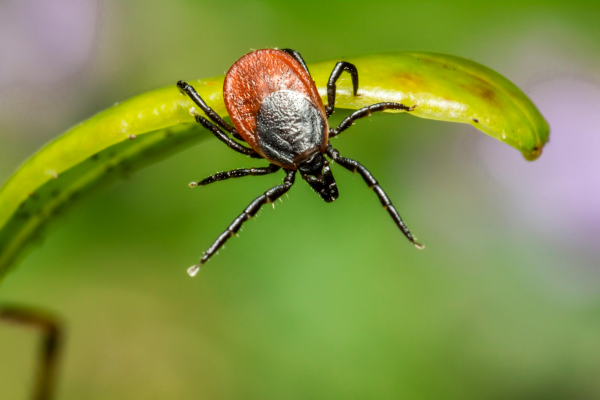
The blacklegged tick (deer tick) can transmit Lyme disease, anaplasmosis, and babesiosis, while dog ticks can spread Rocky Mountain spotted fever. The most common tick-borne diseases in Massachusetts are Lyme disease, babesiosis, and anaplasmosis. Lyme disease and anaplasmosis are caused by bacteria; babesiosis is caused by a parasite that attacks red blood cells. They all can be treated, but can have long-lasting complications.
Preventing Tick Bites
The US Centers for Disease Control and Prevention (CDC) recommends these evidence-based prevention methods:
- Protect your yard: Keep grass short, pick up leaf litter, and create a 3-foot wood chip or gravel barrier between your lawn and wooded areas.
- Dress defensively: Wear light-colored clothing (to spot ticks easier), long sleeves, and long pants tucked into socks when in tick habitat.
- Use repellents: Apply EPA-registered insect repellents containing DEET, picaridin, or oil of lemon eucalyptus to exposed skin.
- Treat clothing: Consider permethrin-treated clothing for high-risk activities (hiking, gardening, camping).
- Daily tick checks: Examine your entire body, especially warm, moist areas like armpits, groin, and scalp.
If You Find an Attached Tick
Found a tick? Don’t panic. The CDC provides these removal steps:
- Use fine-tipped tweezers to grasp the tick as close to your skin as possible.
- Pull upward with steady, even pressure—don’t twist or jerk.
- After removal, clean the bite area with rubbing alcohol or soap and water.
- Flush the tick, wrap it up in tape, or kill it in a bottle of alcohol.
You might also snap a quick photo of the tick in case you need to identify it later.
When to Seek Medical Care
Contact your healthcare provider if:
- You cannot remove the tick completely
- You develop a rash (especially a bull’s-eye rash)
- You experience fever, headache, fatigue, or joint pain within 30 days of a tick bite
Prompt treatment significantly improves outcomes for tick-borne diseases.
Stay vigilant and enjoy a safer outdoor season!
Resources:
https://www.mass.gov/tick-borne-diseases
https://uri.edu/tickencounter/ticksmart
https://portal.ct.gov/dph/epidemiology-and-emerging-infections/ticks
https://www.mayoclinic.org/first-aid/first-aid-tick-bites/basics/art-20056671
 Community Voices for Health